
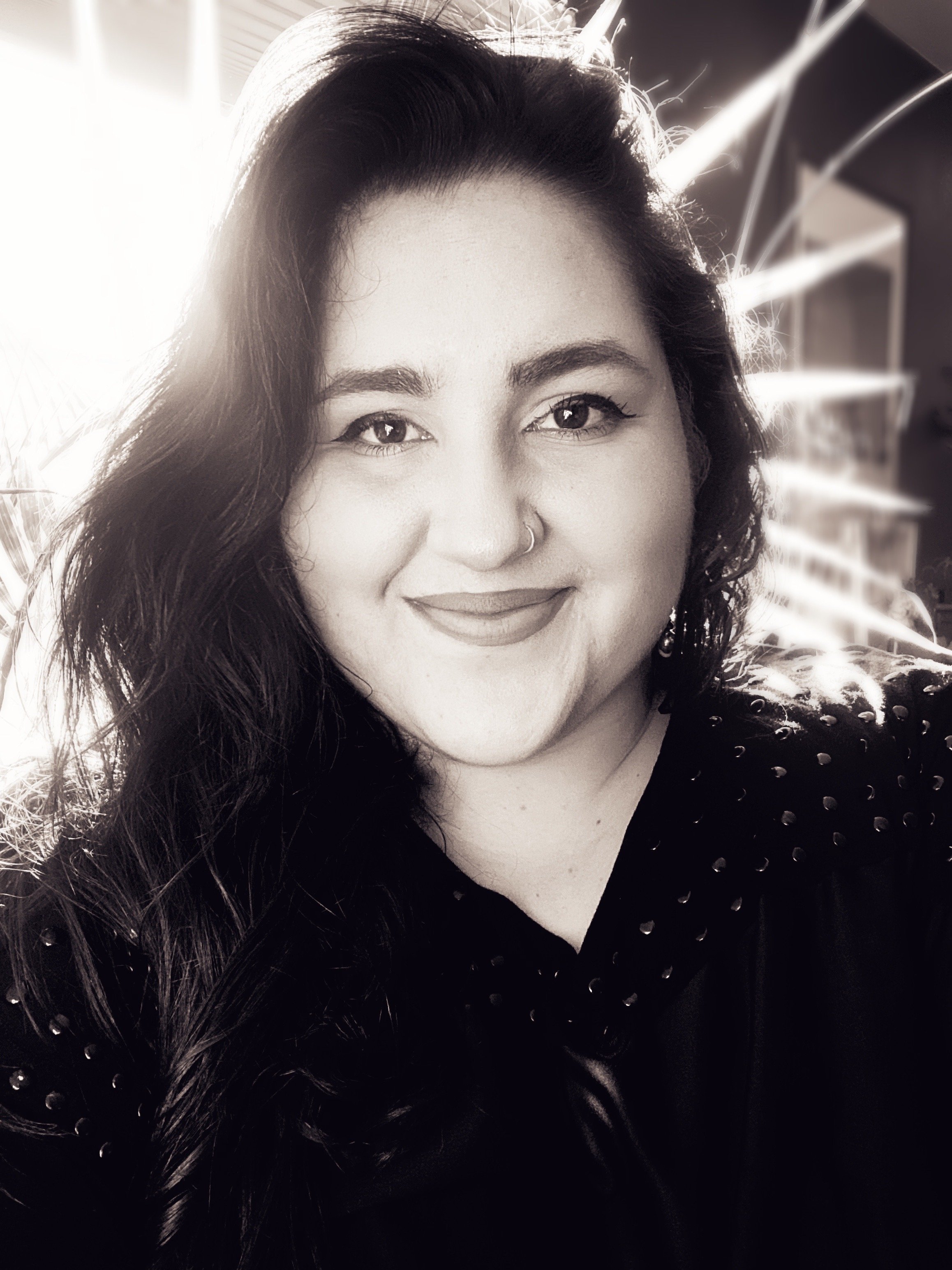
RABBIT FOOT STUDIOS- Located in Santa Fe, New Mexico, is the home studio of artist and printmaker, Alanna Austin. Austin is a trained printmaker and artist (a publisher for fun) and collaborates with artists from across the world. Check out more about her below and sign up for the newsletter at the bottom of the page for workshop opportunities, exhibition updates, and shop drops!
email- alannaaustinart@gmail.com
instagram- @alannaaustinart
About Alanna Austin
BIO
Alanna Austin is a printmaker and multimedia artist, working as an Assistant Professor of Studio Arts at the Institute of American Indian Arts, where she serves as the head of the printmaking department. Austin currently serves as the co-editor of the Mid America Print Council journal as well as a board member on Southern Graphic International.
Austin’s work stems from research on expression of mind and memory united with color, pattern, and material heritage. Through installations and printmaking, her work depicts elements of personal narrative tied to nostalgia, techniques passed on generationally, and generational trauma. Austin’s work has been displayed around the world, with solo exhibitions most recently in Colorado and Australia. Austin’s work has been archived in collections worldwide, with upcoming exhibitions including the Boston Printmaking Biennial and the Border-lines exhibition at Atelier Ghostbirds in Portugal. Austin’s primary focus is non-toxic printmaking methods, of which she has shared insights via panels and demonstrations. She has been invited to speak on innovative techniques and collaborative teaching practices at the British Museum, the College Art Association, the Hawaii University International Conferences on Art and Humanities, and more.
ARTIST STATEMENT
I explore systems of behavior, value, and survival. My practice is rooted in research and observation, often beginning with the natural world and extending into social, cultural, and emotional structures. I am particularly interested in how identity and gender are shaped by expectation and how certain bodies are encouraged toward productivity, care, and visibility, while others are permitted rest, refusal, or ambiguity.
Much of my work examines feminine-coded labor and the quiet pressures attached to it: to be useful, accommodating, and aesthetically pleasing. I am drawn to subjects and processes that resist these ideals, using repetition, absence, and interruption as ways to question what is considered successful or complete. My work appears as symbolic tools rather than fixed subjects, allowing me to explore ideas of adaptation, deviation, and survival outside of normative roles.
Printmaking is central to my practice because it embodies both control and surrender. The process relies on structure, registration, and repetition, yet inevitably reveals flaws and slippages. I embrace these moments as evidence of the body’s presence and the limits of perfection, particularly in relation to gendered expectations of refinement and consistency.
My work seeks to create space for complexity within identity. By foregrounding ambiguity and resisting resolution, I invite viewers to reflect on how femininity, labor, and value are constructed—and how alternative ways of being might exist within, alongside, or in quiet opposition to these systems.